
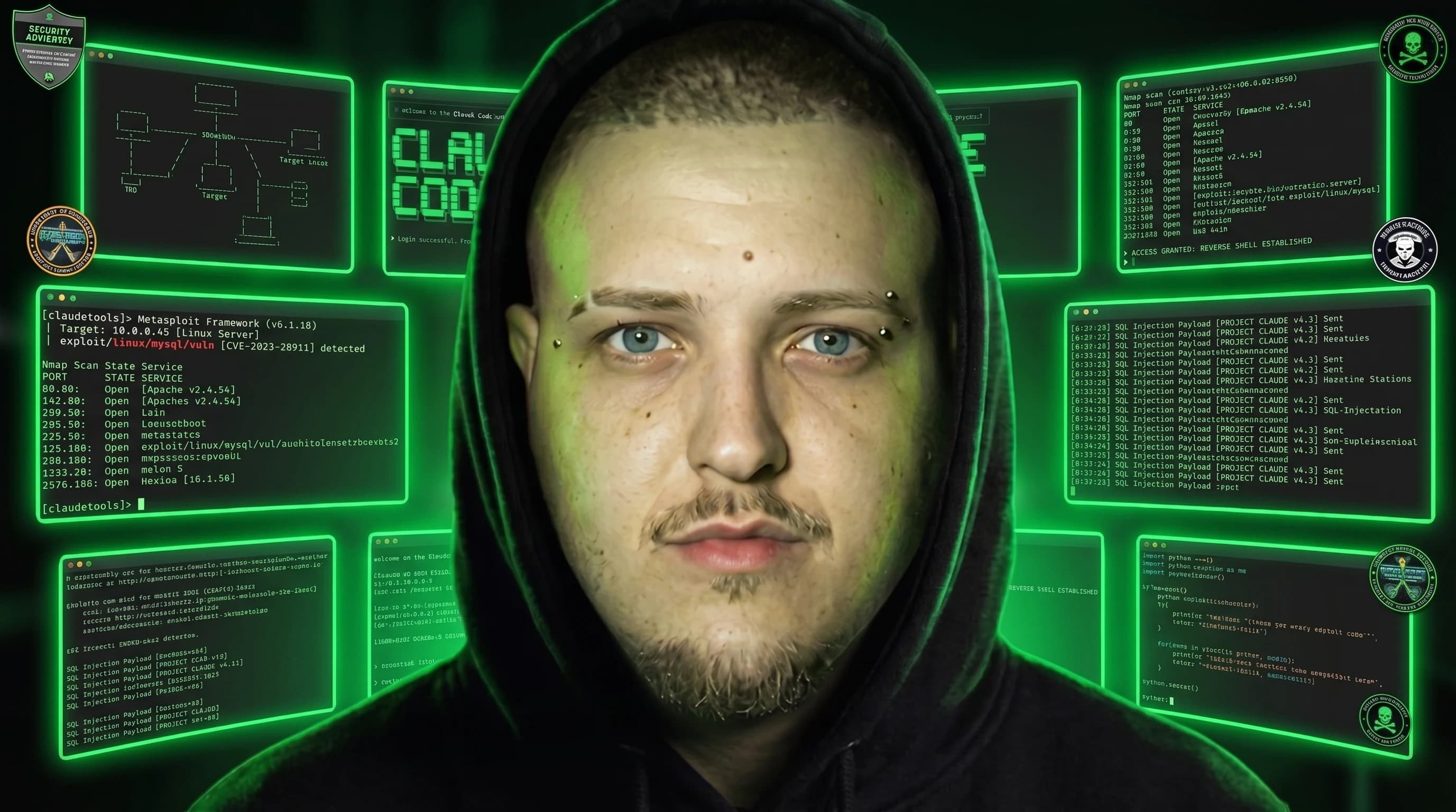
The hype became real product
Vibe coding is no longer just prototype play. Founders are building SaaS with Cursor, Claude Code, Codex, GitHub Copilot, Windsurf, Gemini CLI, Google Antigravity, Firebase Studio, Lovable, Bolt, v0, Replit, Cline, Roo, Aider, and similar agents. The speed is real. So is the risk.
The problem is not using AI. The problem is letting an agent touch login, billing, databases, environment variables, permissions, and deploys without a product-aware review.
Where vibe coders get exposed
- The agent creates an admin route and forgets authorization.
- The app trusts a price sent by the frontend.
- The webhook releases paid access before real confirmation.
- Upload accepts too much or shows another user's file.
- System prompts, API keys, or secrets land in logs.
- MCP or external tooling gets more permission than needed.
- The deploy works but has no rollback, mobile test, or alert.
New tools do not remove responsibility
Codex can work in parallel. Claude Code handles long tasks. Cursor and Windsurf sit close to the editor. Antigravity and Gemini CLI push agents into larger workflows. Lovable, Bolt, v0, and Replit make creation visual and fast. None of that replaces validation of access, paid plans, customer data, and testing scope.
Review without killing momentum
Use the agent to surface signals, not to declare the product safe. Ask it to map protected routes, role rules, tenant queries, webhooks, upload endpoints, logs, and environment variables. Then manually validate anything touching revenue, customer data, or B2B trust.
Good vibe coding is not unreviewed code. It is speed with a pause before selling, charging, or promising security.